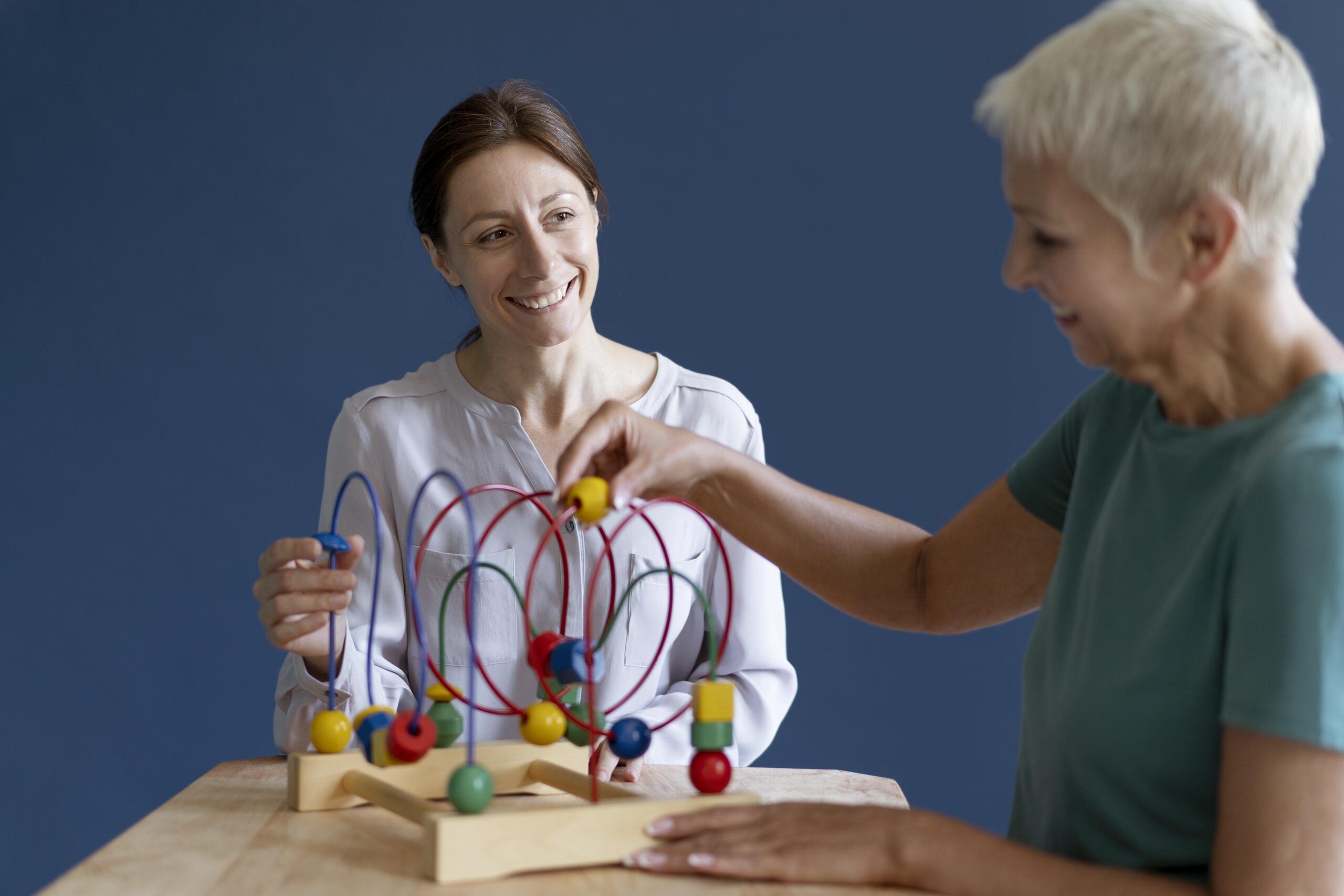
As a therapist, it’s my job to help people achieve their optimal mental health. Well, what do we mean by “mental health”? It’s a very good question! In more traditional psychological thinking, mental health was equated with the lack of mental illness. In this view, if you’re not schizophrenic, depressed, or anxious, then you’ve got mental health. You might think that’s a pretty slim definition of mental health, and I’d agree with you. The issue is made more murky by the fact that we live in a consumer-oriented culture, where buying and having things is often seen as the route to happiness and well-being.
Spiritual and wisdom traditions have a lot more to say on the subject. Existential/Humanistic thinking as well as more recently Positive Psychology, also add to our understanding, but the concept is still pretty amorphous. So, I’m going to wade into deep philosophical waters and give my two cents on what mental health might mean.
One way to define mental health is to point out what it’s not. These are my musings, and your ideas might be different:
- Being ecstatically happy all the time. It would be nice if we spent every moment of our lives in constant bliss: smelling the roses; being in loving communion with our family, friends, and neighbors; enjoying exciting new adventures and vacations in the sun. Of course, most of us have to do things we don’t like sometimes, have conflicts with our loved ones, and have difficult experiences. Constant happiness simply isn’t realistic.
- Having no pain or difficult feelings. A lot of us think if we feel sad, anxious, or angry at times, then we have a mental illness. The truth is that we all feel these difficult emotions at times and that they are not incompatible with mental health. In fact, learning to deal with them well can be a powerful tool for well-being. Being able to tolerate and learn from painful experiences can be far healthier than simply pushing them away.
- Having a perfect life. This, again, is fiction, and one that is supported by magazine articles, advertising, etc. We often get the idea that we need the perfect body, the perfect house, the perfect job, and the perfect family to have psychological well-being. But these things simply do not exist, and striving for them can make us powerfully dissatisfied with the good things we do have in our lives.
If these things are not mental health, then what is?
I’m going to define mental health as including a stable and realistic appreciation of one’s life and the people around us; the ability to bounce back from setbacks; a vitality that allows us to fully experience the joys and the sorrows of life; and the ability to make positive changes when necessary.
Below are
Some things that I think support positive mental health:
- Taking care of your physical health. Even if we have illnesses or disabilities, doing the things that help us to feel our best – eating right, exercising, regular medical care – is important to preserving our bodies and, therefore, our minds.
- Positive connections with other people. You don’t have to be the life of the party or have a million friends, but having people in your life that you trust and care about goes a long way.
- Doing work that you find meaningful. This can be a job, working inside the home to raise your family, or volunteering. The feeling that you are using at least some of your time toward something you find valuable is a powerful part of well-being.
- Living according to your values. The more we can act in ways that align with our deepest values, the more we can eliminate painful conflicts in ourselves and be our most effective selves.
- Being connected with the natural world. This can be difficult if you live in a city, but even petting a dog or walking in the park can remind us that we are interconnected with all living things, a part of a vast and beautiful web of life.
- Developing your talents and using your gifts. We’ve all got talents and abilities. Nurturing these and using them in the world can provide great satisfaction and the knowledge that you can make a positive difference.
- Rest and
recreation. It’s not all about work! Taking time to rest, have fun, and play helps us regenerate ourselves.
These are some of my ideas about what mental health or psychological well-being is and isn’t, and what helps us move toward it. Of course, you may have different ideas, and that’s the beauty of the topic: our understanding is still growing and evolving.